How Abusers Blame Survivors for Everything—and the Lasting Damage It Causes
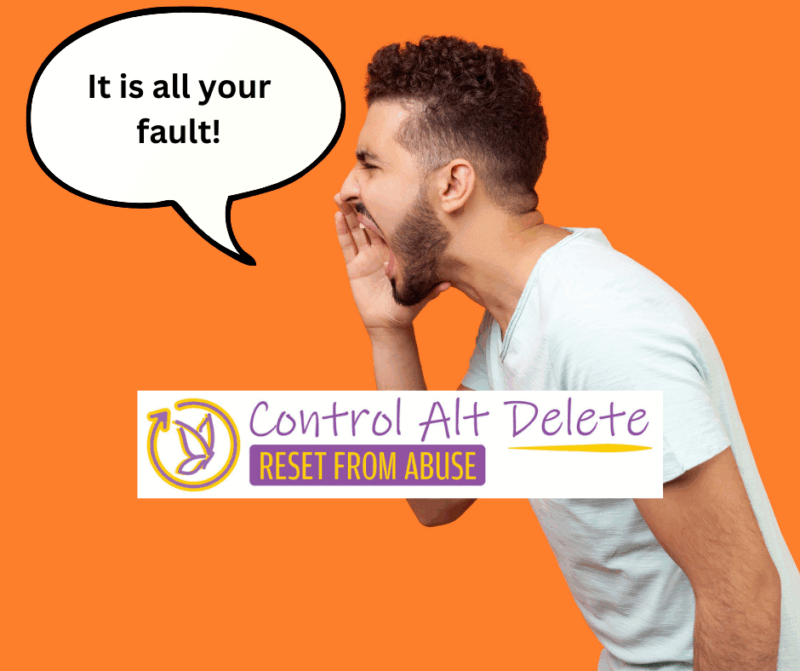
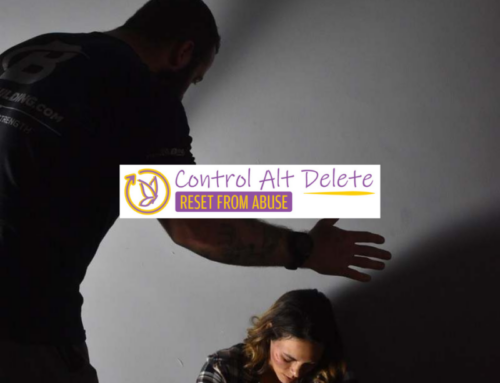
A very common and destructive tactic used by abusers is blame shifting. In abusive relationships, Survivors are often made to believe that everything that goes wrong is their fault. The unpaid bill. The bad day at work. The medical emergency. Even things completely outside of human control—like the weather.
Over time, this relentless blaming causes deep emotional harm that can follow Survivors long after they escape the abuse.
Blame as a Tool of Control in Abuse
Abusers blame Survivors because blame is power. When an abuser convinces someone they are responsible for all problems, the Survivor becomes easier to control, manipulate, and silence.
Common phrases Survivors hear include:
-
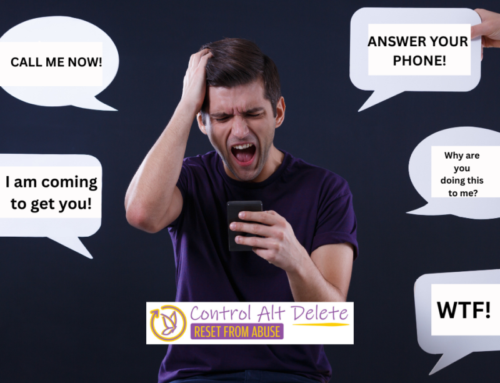
“If you hadn’t done this, I wouldn’t have reacted that way.”
-
“This is your fault.”
-
“You always mess everything up.”
-
“Look what you made me do.”
This tactic allows the abuser to avoid accountability while reinforcing the belief that the Survivor is defective, incapable, or dangerous to others.
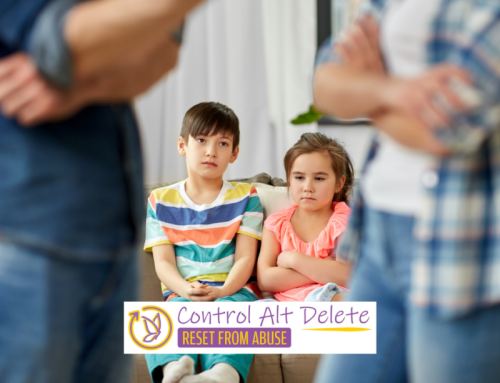
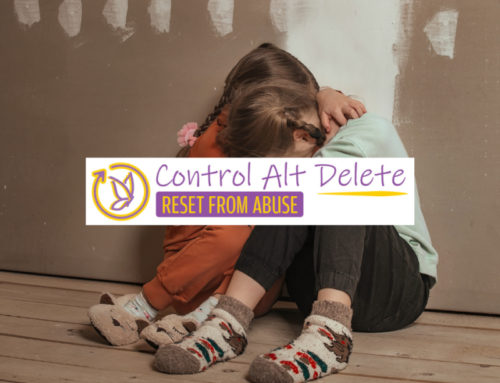
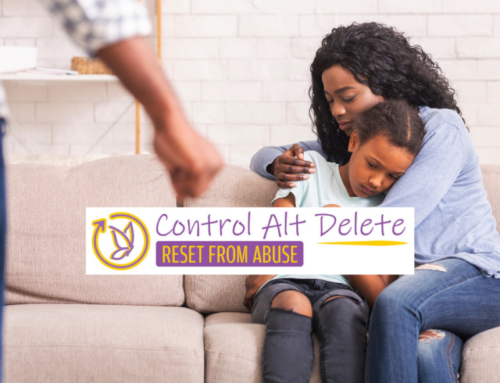
When Abusive Parents Blame Children
In homes with abusive parents, blame often starts early—and it is especially damaging.
Children are blamed for things they cannot possibly control, such as:
-
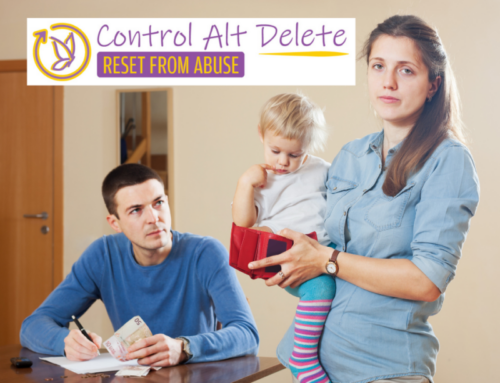
A past-due utility bill
-
A parent’s medical condition or stress
-
A job loss
-
Household conflict
-
Bad weather ruining plans
A child might be told, “If you hadn’t asked for things, we wouldn’t be struggling,” or “This wouldn’t be happening if you behaved better.”
Children learn very quickly that love feels conditional—and that existing is somehow a burden.
The Lasting Effects of Chronic Blame
When blame is constant, Survivors internalize it. The external abuse becomes an internal voice.
This often shows up as:
-
Chronic self-blame
-
Excessive guilt
-
Difficulty making decisions
-
Fear of making mistakes
-
People-pleasing behaviors
-
A belief that they are “too much” or “not enough”
Even years later, Survivors may instinctively apologize for things that are not their fault or assume they are responsible when something goes wrong.
The Inner Dialogue of Self-Blame and Loathing
Abuse doesn’t end when the abuser is gone. For many Survivors, the voice remains.
That inner dialogue may sound like:
-
“This is probably my fault.”
-
“I should have done better.”
-
“I cause problems.”
-
“I don’t deserve help.”
This self-blame can lead to anxiety, depression, low self-worth, and difficulty trusting themselves or others. Survivors may minimize their own needs, believing they are the problem—even when they are being harmed.
Breaking the Cycle of Blame
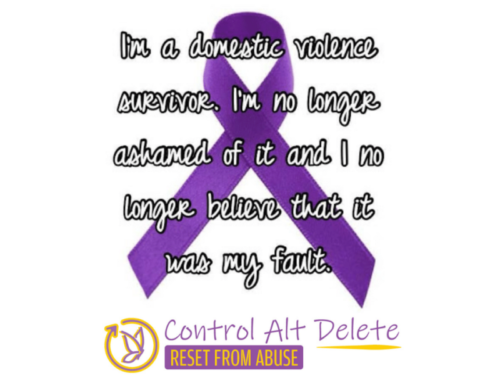
Healing begins when Survivors learn a crucial truth: abuse is a choice, and responsibility always lies with the abuser.
No one causes another person to abuse them.
Children are never responsible for adult problems.
Survivors are not broken—they were conditioned.
Relearning self-compassion takes time, support, and safety. It often requires unlearning years of messages designed to keep Survivors small, quiet, and compliant.
You Were Never the Problem
If you were blamed for everything that went wrong, it was never because you deserved it. It was because someone needed control and used blame to get it.
At Control Alt Delete, we see every day how Survivors begin to heal once they are safe—once the blame stops, and the truth is finally named.
You were never the problem.
You survived one.