Why Survivors Include Their Abuser — Even When They Know What Will Happen
To someone on the outside, it can feel impossible to understand.
You see the harm. You see the manipulation, the tension, the way joy drains out of a room the moment the abuser enters it. So when an invitation comes—something light, something fun—and the Survivor says, “Can they come too?” it’s confusing. Frustrating, even.
Why include the person who causes so much damage?
Because in many cases, it’s the safer option.
Not safer in the moment—but safer in what comes after.
The Calculation No One Sees
For Survivors of abuse, every decision carries weight. Not just emotional weight, but real, tangible consequences.
Including the abuser often isn’t about wanting them there. It’s about managing risk.
Survivors know something others may not fully grasp:
the aftermath of exclusion can be far worse than the discomfort of inclusion.
If the abuser is left out, the Survivor may face:
- Interrogation
- Accusations
- Silent treatment or emotional withdrawal
- Escalation into verbal or physical abuse
- Retaliation that stretches for hours, days, or longer
So when given the choice between:
- A ruined outing, or
- A potentially dangerous aftermath
the decision becomes painfully practical.
“Ruined Fun” Is Predictable. Retaliation Is Not.
There’s a certainty Survivors come to rely on:
If the abuser is included, the experience will be uncomfortable.
They may embarrass.
They may create tension.
They may shift the mood entirely.
But it’s known. It’s contained. It ends when the event ends.
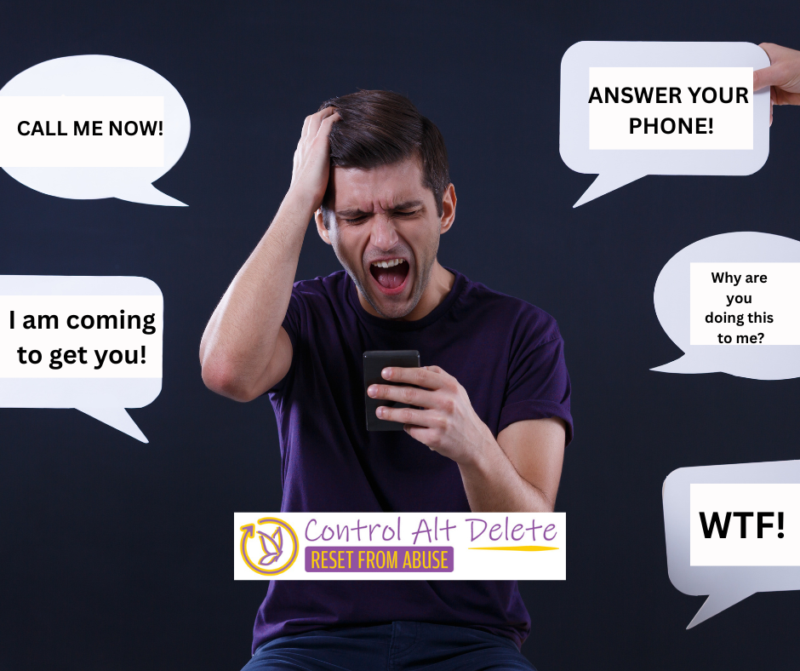
What’s harder to navigate is what happens behind closed doors when the abuser feels excluded, disrespected, or out of control.
That’s where the real danger often lives.
So Survivors make the choice that gives them the most control over the uncontrollable.
Survival Doesn’t Always Look Logical
From the outside, it may look like enabling.
It may look like loyalty.
It may even look like preference.
It’s none of those things.
It’s strategy.
It’s survival.
It’s choosing the path that minimizes harm—even if that path still hurts.
What Support Really Looks Like
If you’re supporting someone in an abusive situation, this is where understanding matters most.
Instead of asking:
“Why would you invite them?”
Try recognizing:
“There’s a reason this feels safer for them.”
And instead of pushing for decisions that make sense to you, create space where the Survivor doesn’t have to manage anyone else’s expectations on top of their own safety.
Because the reality is:
Survivors are already calculating, adapting, and protecting themselves every single day.
At Control Alt Delete, we see this dynamic play out in real time. The choices that seem confusing from the outside are often the very things keeping someone safe long enough to find a way out.
And when that moment comes—when they no longer have to include the person who harms them—it’s not just freedom.
It’s relief.