Control Alt Delete: When Abusers Break Your Things on Purpose — And Why It’s Not an Accident
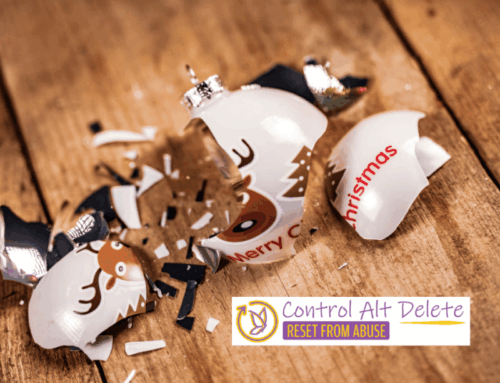
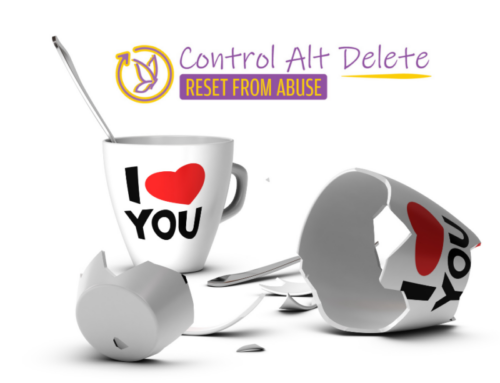
Domestic violence isn’t always a raised fist or a shouted threat. Sometimes it’s a dented car. A shattered phone. A flooded bathroom. A mysteriously broken laptop. A “clumsy mistake” that somehow only ever happens to your belongings, never theirs.
This pattern is not random. It’s not coincidence. It’s not bad luck.
It’s property destruction as a control tactic, a hallmark of coercive abuse designed to keep Survivors destabilized, overwhelmed, and constantly recovering from the latest “accident.”
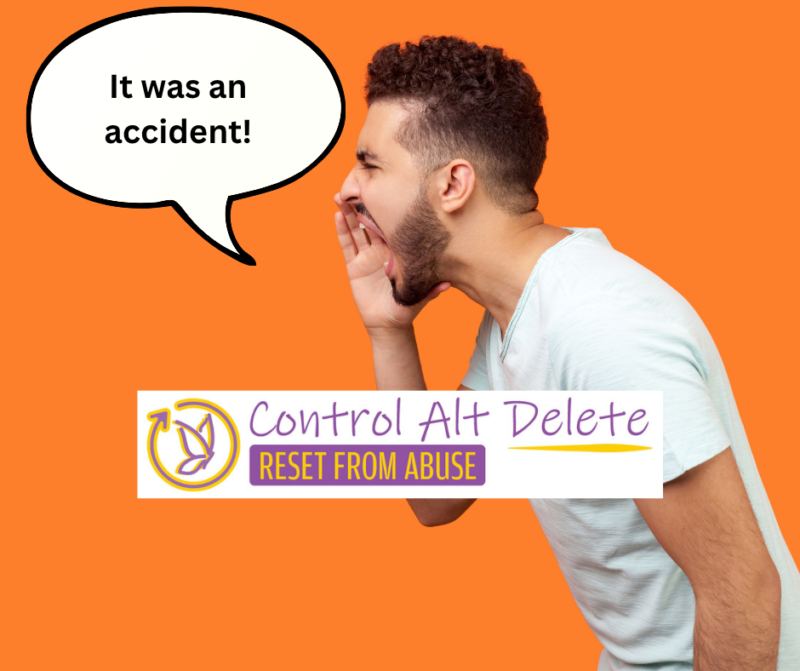
What Property Destruction Really Is: A Form of Coercive Control
Abusers often rely on chaos to maintain power. Breaking or damaging a Survivor’s belongings is one of the most common—and most overlooked—forms of psychological abuse.
- It creates financial strain
- It forces the Survivor into constant crisis management
- It undermines the Survivor’s sense of safety and stability
- It sends a message: “I control your environment.”
This isn’t clumsiness. It’s strategy.
And it’s a strategy Survivors often struggle to name because the abuser frames it as an accident, a misunderstanding, or even your fault.
The Pattern: Why It’s Always Your Stuff, Not Theirs
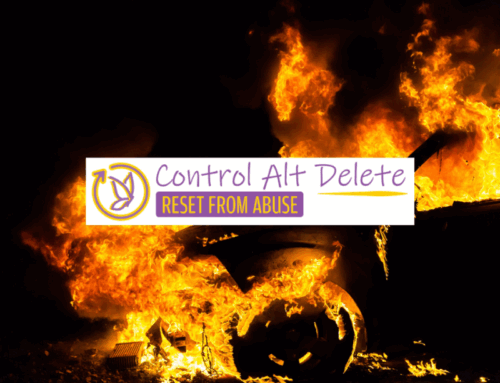
Let’s be honest: if someone backs a car into a pole once, that’s an accident. If they back your car into something repeatedly—but never their own—that’s a pattern.
Survivors frequently report scenarios like:
- Their car gets dented, scraped, or “accidentally” hit
- Their phone is dropped, cracked, or “knocked off the counter”
- Their clothes are ruined in the wash
- Their sentimental items are “lost” or “misplaced”
- Their electronics mysteriously stop working
- Their home is damaged—flooded, broken doors, holes in walls
Meanwhile, the abuser’s belongings remain untouched, pristine, and mysteriously safe from all this supposed clumsiness.
That’s not coincidence. That’s selective destruction.
Why Abusers Do This: The Psychology Behind the Chaos
Abusers use property destruction to achieve several goals:
1. To Keep You Off‑Balance
Chaos is destabilizing. When you’re constantly dealing with broken things, you have less emotional bandwidth to question the relationship or plan an exit.
2. To Drain Your Resources
Replacing damaged items costs money. Money is independence. Independence threatens their control.
3. To Punish Without Leaving Bruises
Breaking your things is a way to express anger or dominance without physical violence—though it often escalates to that.
4. To Send a Message
The message is: “I can destroy what matters to you. I can disrupt your life. I can make you pay.”
5. To Rewrite Reality
Abusers often insist the damage was accidental, or even your fault. This is a form of gaslighting, designed to make you doubt your own perception.
The Emotional Impact: It’s Not “Just Stuff”
Survivors often minimize the harm because they’ve been conditioned to believe they’re overreacting. But the emotional toll is real:
- You feel unsafe in your own home
- You’re constantly on edge
- You lose sentimental items that can’t be replaced
- You feel financially trapped
- You start to believe you’re “too sensitive” or “dramatic”
This is not about objects. It’s about control, fear, and psychological domination.
Why Survivors Blame Themselves
Abusers are skilled at reframing their actions:
- “You’re making a big deal out of nothing.”
- “It was an accident.”
- “You’re so dramatic.”
- “If you hadn’t upset me, this wouldn’t have happened.”
Over time, Survivors internalize these messages. They start to believe the destruction is random, or their fault, or not worth mentioning.
But naming the pattern is the first step toward reclaiming power.
This Behavior Is Abuse—Even If They Never Hit You
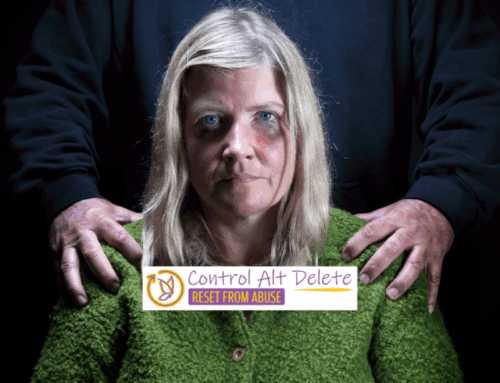
Property destruction is recognized by domestic violence experts as a form of:
- Intimidation
- Coercive control
- Financial abuse
- Psychological abuse
It is not normal. It is not accidental. It is not your fault.
If You’re Experiencing This, You’re Not Alone
You deserve safety, stability, and respect. If you’re dealing with an abuser who repeatedly damages your belongings, your environment, or your sense of peace, it’s valid to name it for what it is: abuse.
Talking to someone you trust—a friend, a therapist, or a local support organization—can help you process what’s happening and explore your options. You don’t have to navigate this alone.