How to Spot the Difference Between an Abuser and a Survivor
When families, friends, and even professionals look at a relationship from the outside, it can be incredibly difficult to understand who is causing harm and who is enduring it. Abusers often present a polished, convincing narrative—one built to protect their image, maintain control, and discredit the person they are hurting. Survivors, meanwhile, are usually focused on survival, safety, and self-reflection.
At Control Alt Delete, we help Survivors escape domestic violence every single day. Over time, we’ve seen clear patterns that can help people better understand the difference between an abuser and a Survivor. Recognizing these patterns does more than clarify a story—it can literally save a life.
1. Survivors Are Deeply Introspective
A defining difference is that Survivors reflect on themselves. Even after enduring abuse, they often ask questions like:
-
“What could I have done differently?”
-
“Did I provoke this?”
-
“Was I a good partner?”
This introspection is not a sign of guilt—it’s a sign of chronic self-blame conditioned by the abuser. Survivors have typically spent months or years being told every problem is their fault. Their instinct becomes to look inward.
Abusers do the opposite. They rarely reflect. Instead, they craft stories designed to make themselves look good and cast doubt on the Survivor’s experience.
2. Abusers Play the Victim—Survivors Don’t
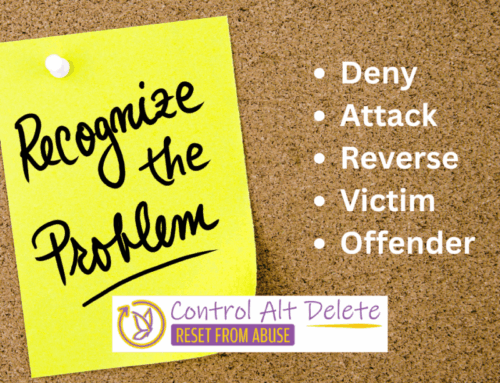
One of the strongest red flags is role reversal.
Abusers frequently claim:
-
“I did everything for them.”
-
“They were the one hurting me.”
-
“I’m the real victim here.”
This is not confusion—it’s manipulation. Abusers depend on sympathy and outside validation to maintain control. Portraying themselves as the “true victim” protects their reputation and isolates the Survivor even more.
Survivors, however, often hesitate to tell their story. Many minimize what they’ve endured because they fear judgment, retaliation, or simply because they’ve been silenced for so long.
3. Survivors Question Their Parenting—Abusers Glorify Theirs
When children are involved, the contrast grows even clearer.
Survivors worry constantly:
-
“Did I do enough for my kids?”
-
“Did the abuse affect them?”
-
“Was I a good parent?”
This worry comes from love and responsibility, not failure.
Abusers, however, boast:
-
“I was the perfect parent.”
-
“Everything was fine until they messed it up.”
-
“The kids always preferred me.”
This confidence is rarely grounded in truth. Instead, it’s part of a pattern of image-building and blame-shifting.
4. Survivors Accept Blame—Abusers Cast It
A Survivor will absorb blame because they’ve been conditioned to. Even when they’ve done nothing wrong, they feel responsible.
Abusers avoid accountability at all costs.
They shift every problem onto the Survivor:
-
Finances
-
Arguments
-
Parenting issues
-
Emotional struggles
-
Even the abuse itself
If there’s a conflict, the abuser will say it’s because the Survivor:
-
overreacted
-
imagined it
-
caused it
-
deserves it
This refusal to accept responsibility is a defining behavior of domestic violence.
Why This Matters
Understanding these patterns helps communities better support Survivors. When you know what to look for, you can see beyond the abuser’s performance and recognize the quiet, reflective person who has survived unimaginable trauma.
At Control Alt Delete, we believe clarity can save lives. When people understand the signs, Survivors are believed faster—and helped sooner.
How You Can Help
If you recognize these patterns in someone you know, reach out with compassion. If you’re a Survivor who needs help escaping, have your advocate reach out to Control Alt Delete.
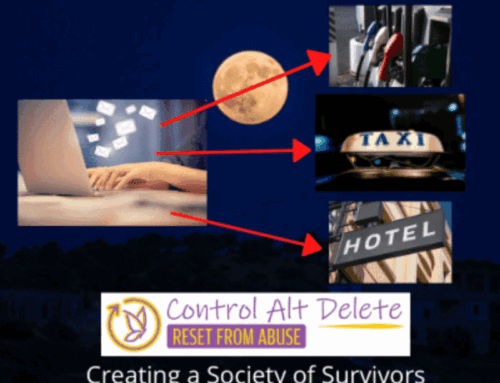
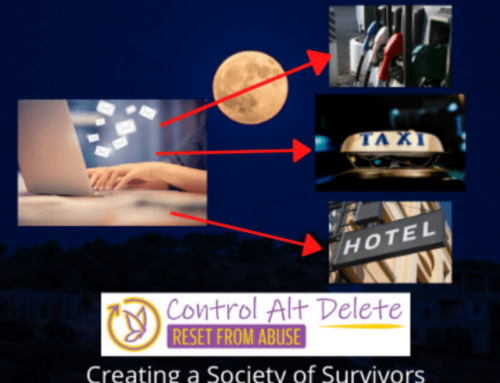
As a community, your support helps us provide gas, food, emergency lodging, locks, transportation, and the essentials that allow Survivors to take their first steps toward freedom.
When you give, you give the Gift of Safety.
When you learn, you become an ally to Survivors.
If you want to help—visit Control Alt Delete today.
💜 Give the Gift of Safety.
Help Survivors find their peace by becoming a monthly donor. Even a donation of $5 a month will save lives and create peace for Survivors.
$5 will help with gas or a food gift card.
$10 will help with a Uber ride to safety.
$25 will help with a BIN Bin.
$50 will help with new locks or a camera system.
$75 will help with a hotel stay for a night.
$100 will help with the cost of bus tickets to safety.
At Control Alt Delete $1 of every single dollar donated goes directly to getting Survivors to their safety.