Why Language Matters: Reframing “Narcissist” as “Abuser”
In today’s social media landscape, the word “narcissist” is everywhere. It appears in headlines, viral posts, and even casual conversations about toxic relationships. While it may feel like a convenient shorthand to describe harmful behavior, using the term this way can unintentionally minimize the reality of abuse—and shift responsibility away from where it belongs.
At Control Alt Delete, we believe that words matter. The language we use shapes how we understand harm, accountability, and healing.
Narcissism Is a Diagnosis—Not a Catch-All Label
“Narcissist” is not just a personality description; it is rooted in a clinical diagnosis: Narcissistic Personality Disorder (NPD). Diagnoses exist to help mental health professionals understand patterns of behavior and provide appropriate treatment—not to excuse harm or redefine it in softer terms.
When we casually label someone as a “narcissist,” we risk implying that their harmful behavior is simply a symptom of something they cannot control. This framing can unintentionally create space for excuses:
-
“They didn’t mean it.”
-
“They can’t help it.”
-
“It’s just who they are.”
But Survivors of abuse know the truth: harm is harm, regardless of the label attached to it.
Why “Abuser” Is More Accurate
When someone manipulates, controls, isolates, or harms another person, the most accurate word for that behavior is abuse. And the person choosing those actions is an abuser.
Using the word “abuser”:
-
Centers the impact on the Survivor, not the perceived condition of the person causing harm
-
Maintains accountability for harmful actions
-
Avoids minimizing or normalizing abusive behavior
-
Affirms that abuse is a choice and a pattern, not just a personality trait
This shift in language is not about being harsh—it’s about being honest.
The Danger of Mislabeling Abuse
When abuse is reframed as “narcissistic behavior,” it can:
-
Blur the seriousness of the situation
-
Make it harder for Survivors to recognize what they’re experiencing
-
Delay individuals from seeking help or support
-
Reinforce harmful myths that excuse or justify abusive actions
For many Survivors, clarity is the first step toward freedom. Calling abuse what it is can be empowering—and life-changing.
A Simple but Powerful Practice
The next time you come across an article, post, or conversation using the word “narcissist” to describe harmful behavior, try this:
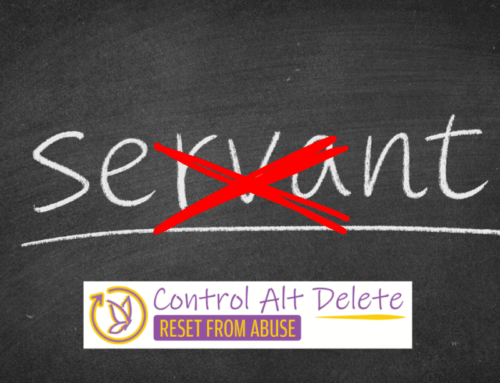
Replace the word “narcissist” with “abuser.”
Notice how the meaning shifts. Notice how the responsibility becomes clearer. Notice how the focus returns to the person who has been harmed.
This small change in language can have a profound impact on how we understand and respond to abuse.
Supporting Survivors Starts with Truth
At Control Alt Delete, our mission is rooted in truth, accountability, and Survivor-centered care. We stand with those who have experienced abuse—and we believe they deserve language that reflects their reality without minimizing it.
By choosing our words carefully, we can:
-
Validate Survivor experiences
-
Promote accountability
-
Challenge harmful narratives
-
Create a culture that does not excuse abuse
Because Survivors don’t need softened language—they need to be seen, heard, and believed.
Call to Action
Be mindful of the words you use and share. Speak with clarity. Lead with truth.
And when in doubt, remember:
It’s not about labeling personalities—it’s about recognizing harm.
Abuse is abuse. Abuse is always a choice. And it deserves to be named.