When Trauma Speaks Through the Body: Abuse, Eating Disorders, and the Long-Term Risks
Living in an abusive environment impacts far more than immediate safety. The constant fear, stress, and loss of control experienced by Survivors of domestic abuse can leave lasting emotional and physical scars. One of the lesser-discussed consequences is the development of eating disorders.
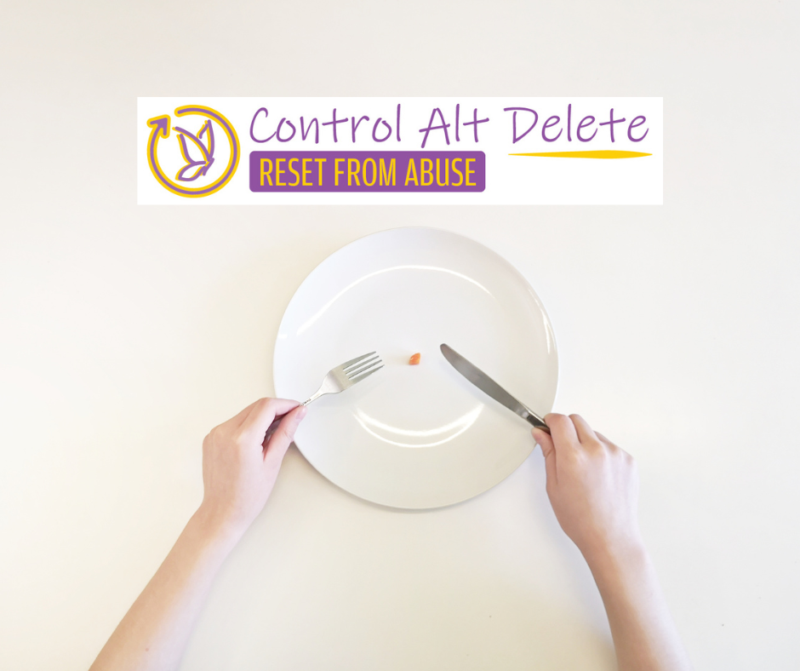
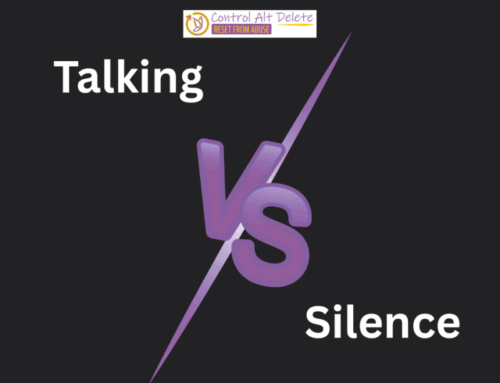
For Survivors, eating disorders are not about appearance or dieting. They are a silent cry for help—an attempt to communicate pain when words feel impossible to say.
When Words Can’t Be Spoken
Survivors of abuse live in environments where speaking up is dangerous or discouraged. They may fear retaliation, shame, disbelief, or further harm if they reveal what is happening. Over time, emotions that cannot be expressed verbally often find other ways to surface.
In many cases, the body becomes the voice.
Eating disorders can become a way for Survivors to express distress, regain a sense of control, or cope with overwhelming trauma. Restricting food, binge eating, or purging behaviors may not start as a conscious decision, but rather as a survival response to an environment where emotional needs are ignored or punished.
When someone cannot safely say “I’m hurting,” their behaviors may begin to say it for them.
Several eating disorders are commonly associated with trauma and abuse, including:
-
Anorexia Nervosa
-
Bulimia Nervosa
-
Binge Eating Disorder
These conditions are serious mental health disorders that often develop as coping mechanisms rather than lifestyle choices.
The Need for Control in a Controlling Environment
Abuse often strips away a person’s autonomy. Survivors may have little control over finances, movement, relationships, or daily decisions.
Food may become one of the only things they feel they can control.
Some Survivors may severely restrict their eating as a way to reclaim control over their own body. Others may turn to food for comfort in moments of emotional distress. Both responses can develop into harmful patterns when trauma is ongoing.
In these situations, eating behaviors can reflect deeper emotional needs: safety, stability, and the ability to be heard.
How Trauma Changes the Body
Living with long-term abuse places the body in a chronic state of stress. When the brain perceives ongoing danger, it activates survival responses that affect nearly every system in the body.
Stress hormones remain elevated, sleep becomes disrupted, digestion changes, and emotional regulation becomes more difficult.
Over time, Survivors may experience dramatic changes in appetite and metabolism. Some lose their desire to eat entirely, while others may eat compulsively in response to emotional distress. These patterns can evolve into eating disorders, especially when trauma continues for long periods of time without support.
Long-Term Health Risks
Eating disorders are among the most serious mental health conditions because they affect both mind and body. When combined with the prolonged stress of abuse, the long-term health risks can be severe.
Some potential complications include:
Heart complications
Malnutrition and electrolyte imbalances can weaken the heart and increase the risk of irregular heart rhythms.
Digestive damage
Repeated purging can damage the stomach, esophagus, and digestive system.
Bone loss
Chronic malnutrition can lead to osteoporosis and increased fracture risk later in life.
Hormonal disruption
Eating disorders can interfere with reproductive hormones and long-term endocrine health.
Mental health impacts
Many Survivors also experience depression, anxiety, and trauma-related conditions such as Post-Traumatic Stress Disorder.
Without support and intervention, these issues can continue long after someone has escaped the abusive environment.
The Hidden Struggle
Eating disorders often develop quietly. Survivors may hide their behaviors out of shame, fear, or because they feel they deserve punishment after years of emotional abuse.
In controlling relationships, seeking medical or mental health care may not even be an option. Abusers often isolate and shame Survivors, monitor their activities, or restrict finances—making it difficult to access help.
As a result, eating disorders among Survivors frequently go unnoticed and untreated for years.
Healing and Recovery
Healing from both abuse and eating disorders requires compassion, understanding, and trauma-informed care. Recovery is possible when Survivors have access to safe environments where they can rebuild their sense of self and learn healthier coping strategies.
Support may include:
-
Trauma-informed therapy
-
Medical and nutritional care
-
Safe housing and support networks
-
Community organizations dedicated to survivor safety and healing
When Survivors are given a safe space to speak, many find that the behaviors their bodies once used to communicate pain are no longer needed.
Listening to What the Body Is Saying
Eating disorders should never be dismissed as vanity or a lack of willpower. For Survivors of domestic violence, they are signals of deeper emotional wounds—evidence of trauma that has gone unheard for far too long.
Recognizing these behaviors as a cry for help allows communities, advocates, and support organizations to respond with empathy rather than judgment.
Because when someone finally has the safety to speak, healing can truly begin.