The Greatest Gift I Ever Gave Myself
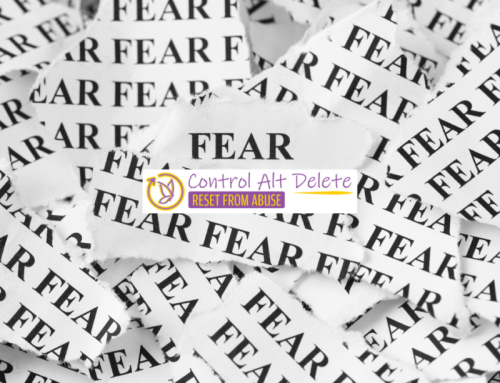
For most of my life, everything felt like a fight.
Every conversation. Every disagreement. Every criticism. Every raised voice. Every unexpected challenge.
I didn’t know any other way to live.
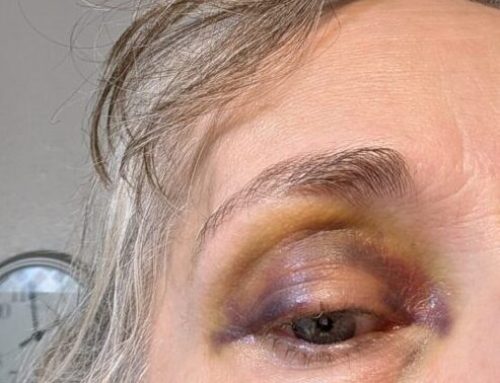
After a horrific childhood filled with abuse, followed by a marriage to an abuser, my nervous system learned one thing very well: survival. Long before I understood what trauma was, my body had already made the decision that the world was not safe. It was always waiting for the next attack, the next disappointment, the next betrayal, the next crisis.
I lived in fight mode.
Not because I wanted to.
Because I had to.
When people talk about trauma, they often mention the body’s “fight, flight, or freeze” response. This is the survival system built into every human being. When we perceive danger, our brains release stress hormones and prepare us to survive.
Fight means we confront the threat.
Flight means we run from it.
Freeze means we become immobilized and unable to act.
These responses are not weaknesses. They are survival mechanisms designed to keep us alive.
The problem is that when you spend years—or even decades—living in abusive environments, your brain can become stuck in survival mode. The danger may no longer be present, but your nervous system doesn’t always get the message.
That was my reality.
My body treated everything like a threat.
A disagreement felt like danger.
A difficult conversation felt like danger.
Someone questioning me felt like danger.
An inconvenience felt like danger.
My nervous system was doing exactly what it had been trained to do. It was protecting me the best way it knew how.
Fight.
Fight harder.
Fight first.
Fight before anyone else could hurt me.
For years, I believed this was strength.
I believed being constantly prepared for battle was what kept me safe.
But eventually I discovered something life-changing.
Not everything is a fight.
And not every fight is mine to join.
That realization changed everything.
The greatest gift I ever gave myself was understanding that my fight response could be controlled. It didn’t have to control me.
I could pause.
I could breathe.
I could evaluate.
I could ask myself, “Is this actually a threat?”
I could choose whether something deserved my energy.
I could choose whether I needed to engage.
I could choose peace.
For someone who spent most of her life surviving, that choice felt revolutionary.
I learned that not every criticism requires a defense.
Not every misunderstanding requires an explanation.
Not every opinion requires a response.
Not every battle deserves a warrior.
Sometimes the healthiest thing you can do is walk away.
Sometimes the strongest thing you can do is stay calm.
Sometimes the bravest thing you can do is refuse the invitation to fight.
The irony is that I spent so many years fighting for my survival that I didn’t realize peace was also something worth fighting for.
Today, I still have that fight inside me. I use it to help people escape their abusers.
I am grateful for it.
That fight helped me survive a childhood I should never have endured.
That fight helped me escape an abusive marriage.
That fight helped me rebuild my life.
That fight helped me become who I am.
But now, that fight serves me instead of controlling me.
It is no longer my default setting.
It is a tool.
It is a choice.
And there is incredible freedom in knowing that.
If you are a Survivor, please know this: if you feel like you are constantly on guard, constantly ready for battle, there is nothing wrong with you. Your nervous system learned how to survive in an environment that demanded it.
But healing brings a beautiful realization.
You don’t have to stay there forever.
You can learn that safety exists.
You can learn that peace is possible.
You can learn that not everything is a threat.
And one day, you may discover what I did:
The greatest gift you can give yourself is the freedom to decide which battles are worth fighting—and the wisdom to walk away from the rest.