The Question No One Asked
“Are you safe?”
It is a simple question. Three words that could change—or even save—someone’s life.
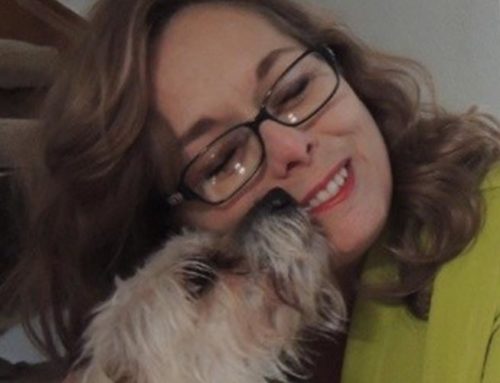
Recently, Control Alt Delete Founder Laura experienced an unexpected social experiment.
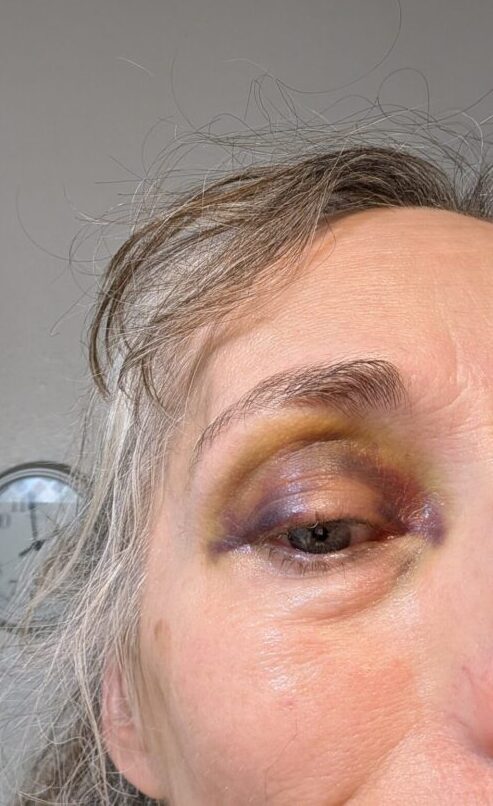
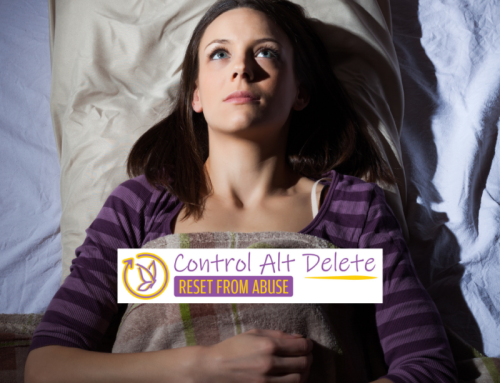
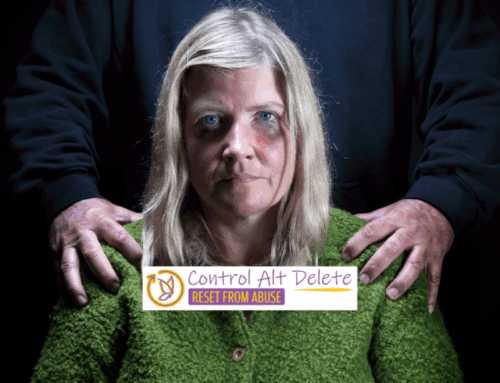
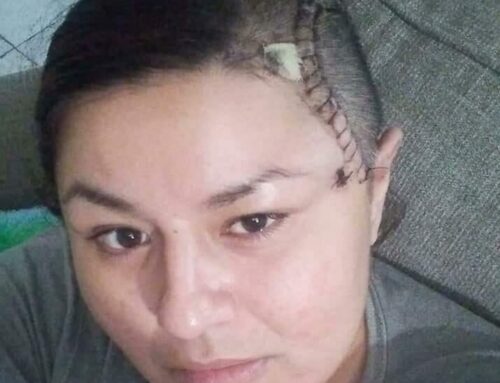
While helping a friend repair a toilet, a pair of channel locks slipped from her hands and struck her just below her eyebrow. The injury wasn’t serious, but over the next several hours it developed into a beautifully vibrant black eye. Purple. Blue. Yellow. Green. The kind of bruise that catches people’s attention from across a room.
For the next week, Laura went about her normal routine.
She picked up a prescription at Walmart Pharmacy.
She visited the farmers market.
She stopped at gas stations.
She hiked local trails.
She walked through her neighborhood.
She shopped at Tractor Supply.
She went to Chase Bank.
Everywhere she went, people looked.
Some stared.
Some glanced away quickly.
Some looked twice.
Not one person asked the question:
“Are you safe?”
Not once.
Now, to be clear, Laura’s black eye was not the result of domestic violence. It was an accident.
But that’s exactly the point.
Someone should have asked.
Because what if it hadn’t been an accident?
Survivors Are Hiding in Plain Sight
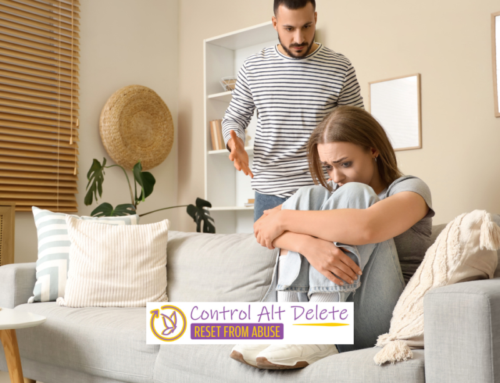
Every day, Survivors of domestic violence walk through grocery stores, pharmacies, banks, workplaces, schools, and neighborhoods carrying visible—and invisible—injuries.
Sometimes it’s a bruise.
Sometimes it’s a split lip.
Sometimes it’s an arm in a sling with a story that doesn’t quite make sense.
Sometimes there are no visible injuries at all.
For many Survivors, no one ever asks if they’re okay. Friends assume someone else will. Strangers don’t want to interfere. People worry they’ll offend someone or make the situation awkward.
So they say nothing.
Unfortunately, silence can be exactly what an abuser counts on.
Three Words Can Open a Door
Asking someone, “Are you safe?” doesn’t accuse anyone of abuse.
It doesn’t make assumptions.
It simply lets another human being know:
I see you.
I care.
If something is wrong, you’re not alone.
If the injury truly was an accident, they’ll likely tell you so, and that’s okay.
If it wasn’t…
You may be the first person who has acknowledged what they’re experiencing.
That moment could become the beginning of an escape.
We Can Do Better
At Control Alt Delete, we work with advocates every single day who are desperately trying to find safety for their Survivors. We know how isolating domestic violence can be.
Many Survivors state they feel invisible.
That no one noticed.
Or worse—that everyone noticed but nobody said anything.
Laura’s accidental black eye became an unplanned reminder of just how uncomfortable society can be when faced with visible injuries.
We don’t have to be investigators.
We don’t have to have all the answers.
We simply have to care enough to ask.
If You See Someone With Visible Injuries…
Don’t automatically assume you know what happened.
Don’t automatically assume someone else has already checked on them.
Instead, consider asking one simple question:
“Are you safe?”
Those three words may feel small to you.
To someone living in fear, they could mean everything.
At Control Alt Delete, we believe that awareness isn’t just about recognizing the signs of domestic violence. It’s about having the courage to acknowledge another person’s humanity.
The next time you notice someone with visible injuries, remember Laura’s unexpected social experiment.
Hundreds of people noticed.
Not one person asked.
Let’s change that.